
  • About
  • Books
  • Publications
  • Medias
  • FAQ
  • Contact
  • fr
  • fr
Antonio Zadra
SLEEP SCIENTIST, ONEIRONAUT, AUTHOR
  • About
  • Books
  • Publications
  • Medias
  • FAQ
  • Contact
Image
Couverture du livre "The Dream Keepers"

“A brilliant and mind-bending debut that interweaves both the science and the mythology of dreams in a tale that is inventive, original, and utterly spellbinding. The Dreamkeepers will change how you view your own nocturnal dreams, and the figures that inhabit them.”
Image
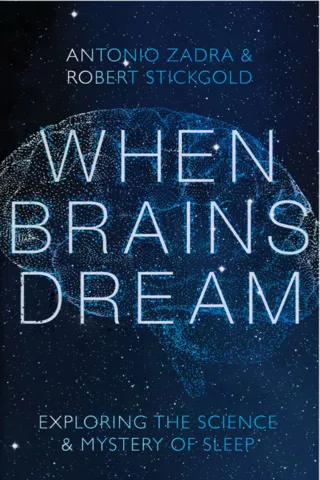
Couverture du livre "When Brains Dream"

"A comprehensive, eye-opening exploration of what dreams are, where they come from, what they mean, and why we have them."

Our research focuses on the scientific study of dreams
- including everyday dreams, nightmares and lucid dreams -
as well as on sleep terrors and sleepwalking.

Did you know?

Frontal EEG theta activity is one of the most robust electroencephalographic (EEG) correlates of dream recall from REM sleep.

Want to read, watch and find out more about our work?

Visit these pages containing a wealth of information about dreams and sleep disorders

Publications

Science articles and book chapters.

Media

TV documentaries and other presentations.

FAQ

Frequently asked questions about dreams.

infolettre du Zadra Lab

Interested in new ideas and discoveries in the world of dreams?

Sign up for our newsletter which goes out every couple of months. You'll receive info on the latest research findings, books, and art-related projects focusing on sleep and dreams.

We respect your email privacy; we never send spam.

Random FAQ question

How common are nightmares?

There is a growing appreciation among health specialists and the general public that nightmares are a frequent sleep problem with important consequences for sleep quality and mental health. Large student and community-based epidemiological studies across different countries indicate that 8% to 29% of adults report monthly nightmares while 2% to 6% report weekly nightmares.  Community surveys assessing incidence of nightmare “problems” rather than frequency found that between 5% and 8% of the adult general population report a current problem with nightmares, while about 6% report a past problem.

Finally, one of our own studies based on almost 10 000 dream reports collected in home dream logs from over 550 participants showed almost 3% of all prospectively collected dream narratives were nightmares (very disturbing dreams that wake up the dreamer) while bad dreams (disturbing dreams which do not cause the dreamer to awaken; they are remembered only after being awakened by external factors such as an alarm clock or later during the day) accounted for almost 11% of the dream reports. Thus almost 15% of all remembered dreams are considered to be highly disturbing dreams.

FAQ page

Antonio Zadra
SLEEP SCIENTIST, ONEIRONAUT, AUTHOR

Copyright © 2026 Antonio Zadra. All rights reserved